Showing posts with label Lolita History. Show all posts

Friday, May 7, 2021

A Guide to Military Lolita Part 1

Welcome to our two part series all about military lolita!

In part 1 we look at what makes something military themed, how to coord it and how the look has changed throughout the years. In part 2 we’ll go over military lolita fashion inspirations, both fictional and non-fictional, how to spot the difference between hate symbols and generic military symbols, and how to avoid them.

Right up front, I’d like to invite anyone who has corrections or additions to leave a comment below, or e-mail me at rooibosloloto at gmail dot com! I’m more than happy to update this article as many times as we need to, so it can be a handy resource for people interested in this theme in the future.

Style Description

  • Military is a broad theme in lolita that can easily be coorded as gothic, classic or sweet.
  • It often overlaps with other uniform based themes like sailor, nurse, pirate, marching band, police, pilot, or academia.
  • Military pieces can come in any colour, but it’s most common to find black, white, grey, brown, navy, olive green, jewel tones and pastels.
  • Common patterns in the theme are regimental stripes, breton stripes, pinstripes, camouflage, plaid, and emblems.
  • Main pieces often include asymmetrical or double breasted enclosures, embellished metal buttons, pleats, straps, buckles, fringe trim, braided cord, leather details, prominent pockets and corset waists.
  • Common accessories found are long coats, napoleon jackets, military tunics, spencer jackets, vests, capes, epaulettes, fourragere, pins, badges, ties, boots, berets, peaked caps, tricorns, shako and other hats similar to those worn in various uniformed industries.

The Evolution of Military Lolita

Jane Marple was making the earliest military inspired pieces, starting in the last half of the ‘90s. They had a sweet and casual approach to the style, incorporating camo and army greens as well as napoleon jacket aesthetics.

At the beginning of the 2000s, we started to see other brands contributing a couple pieces per year. Metamorphose introduced sailor and dress uniform style pieces that don't look that different from the military pieces they sell today. We also saw Moi-même-Moitié floor length military jackets, H.Naoto deconstructed military vests and velvet napoleon jackets from Jane Marple.

Meta's famous pink camo belted hem pleat JSK was an iconic release of the mid-2000s, followed by Angelic Pretty releasing the AYA army set in green camo, as well as a plaid school skirt. We also see Jane Marple releasing a pastel pink bustier. Excentrique started off slow with bustiers and skirts, but would soon be producing the most military designs out of all the brands in the second half of the 2000s.

At the tail end of the decade, we started to see an increase in military releases in general and pieces could be found at Bodyline, and Alice and the Pirates. AATP made some asymmetrical coats, and Excentrique introduced regimental stripes as well as cold weather military wear via fur hats and wool coats.

2010 sparked a lot of discussion about what designs hit too close to Nazi Germany uniforms and symbols, as it marked Meta’s Die Walkure release, formerly known as Dark Secrets, and the questionable choice of insignia on its peaked cap. It sparked enough outrage that the series was removed from Western stores. It was still available in Japan through e-mail requests, but Meta issued an apology for the design and we haven’t seen a release like that since. Excentrique introduces frog closure military pieces, Innocent World made some beautiful floral military pieces, and Bodyline brought along punk military aesthetics.

Despite that controversy, military lolita didn't decline in popularity. Atelier Boz, Infanta, Miho Matsuda and MILK entered the style and made a couple pieces. AP introduced cutsews and parkas to go along with their Marching series, and Bodyline made the first military themed print with Military Sweets. Meta released their Swan Lace print the year after, and we can see military is now readily available in a wide variety of colours.

2013-2015 is where we see the biggest spike in releases. We see exciting releases like Angelic Pretty’s Melty Royal Chocolate Series and many more prints such as Wonder Queen Soldier, Magical Night Theater, Toy’s March, and Moonlight Church Napoleon JSK. Victorian Maiden, Baby the Stars Shine Bright, Putumayo, Atelier Pierrot, Sheglit and several Chinese indie brands released military style pieces during this time as well. Victorian Maiden brings houndstooth in with them, and AatP introduces pirate and steampunk based releases. We also began to see more military themed accessories like badges, pins and fourragere.

After 2015, we started to see a slow decline in military releases, especially with Excentrique making less and less during this time. However, Alice and the Pirates ramped up how many military designs they made per year and Maxicimam and Triple Fortune produced their first military themed pieces. British themed items emerged across Japanese brands via queen’s guard, union flag, or Sherlock Holmes inspired designs. Nevertheless, previous popular designs, like sailor, napoleon jackets, and regimental stripes, remained ever present. We also continued to see new military prints like Union Flag Soldier, The Knights of St. Lily, and King Bear JSK.

That takes us all the way to where we are today: beginning of the 2020s and going through the pandemic. Despite the mail being severely disrupted, lolitas are still buying. AatP is now the biggest contributor of new military lolita designs. Following them are Atelier Boz, Miho Matsuda and Chinese indie brands like YourHighness.

Hope everyone had fun reading about military lolita! Join us next time when we explore the political and social side of this fashion and how to wear it responsibly.


Until then, this is your resident ouji hoping you’re all safe and well!
Rooibos Tea: over and out!


Friday, March 5, 2021

Kamikaze Girls and Versailles: Part 3

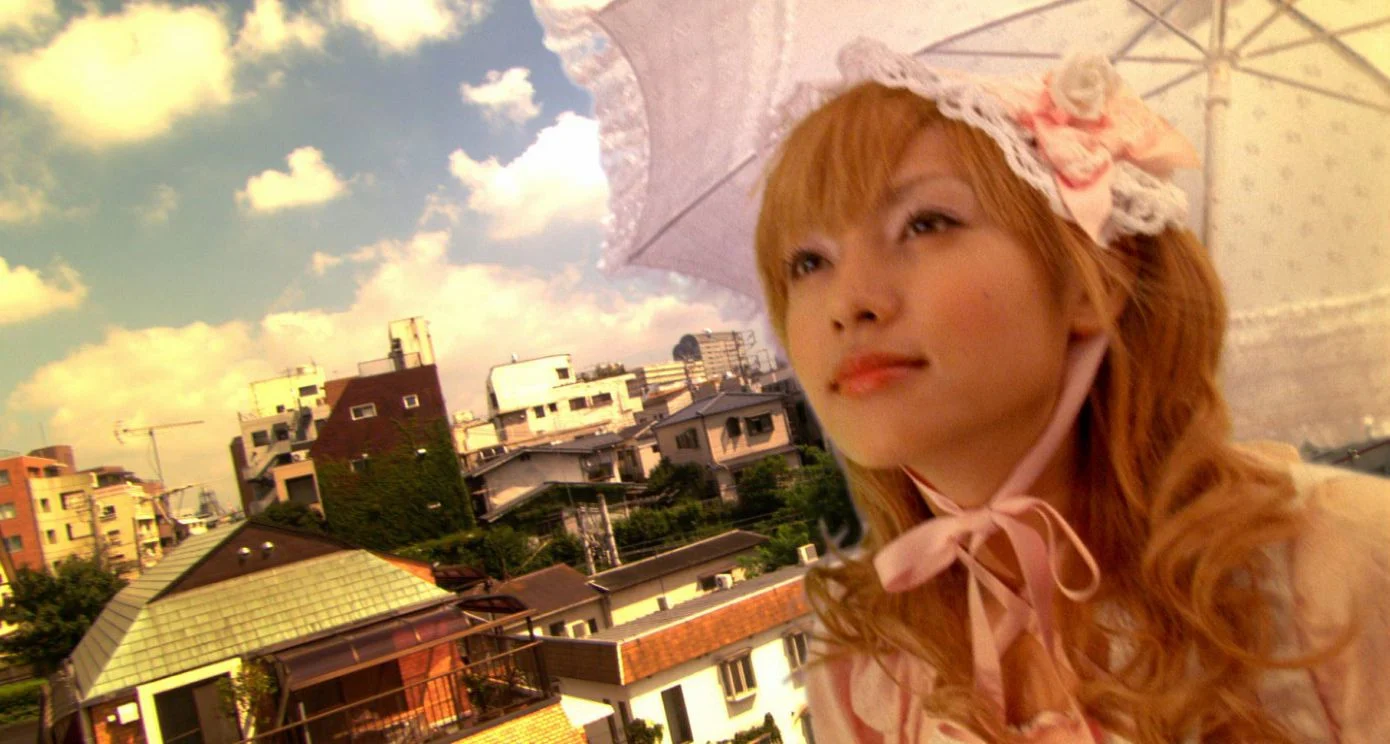
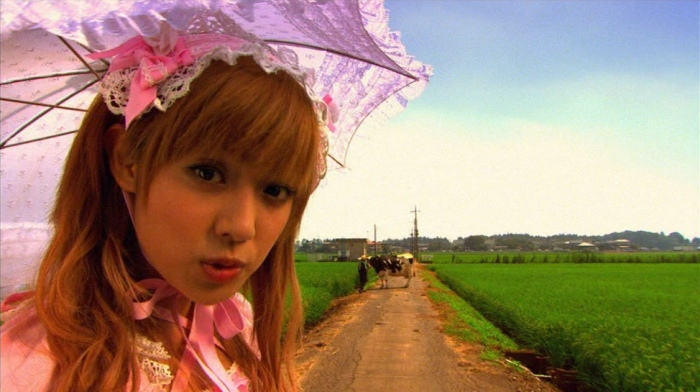
In the story Shimotsuma Monogatari, renamed Kamikaze Girls in the English translation, the main character Momoko expresses her adoration for 18th century life in Versailles. I often revisit this novella and the movie when I want to get in the lolita spirit, but as a self-proclaimed history buff, I tend to have a hard time getting through the parts where Momoko imagines what life was like. In this series, I’ll do my best to dispel and explain the bits that Momoko, and to that extent, Novala Takemoto got right – and wrong about life in 18th century France.
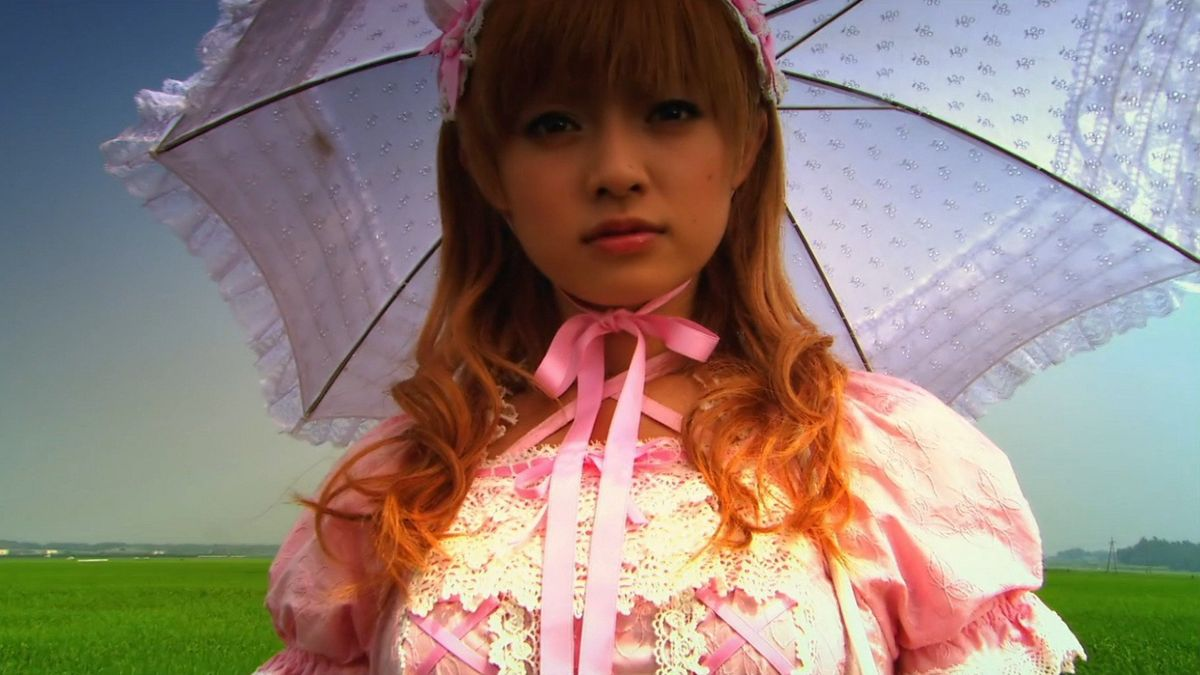
On page 8, Momoko explains that people of the Rococo period would style themselves in the most outrageous manner - tightening one’s corset in order to make their waists impossibly tiny, so that when they had even the smallest shock, they’d have to be carried off to recover - which was considered attractively lady-like. They would also pile their hair higher and higher with elaborate styles. It would have taken their servants hours and hours to help their mistresses get ready. Their hair styles doubled their height, so that even on their knees, they’d be unable to get through the door.

There’s so much wrong about Momoko’s assumptions, but from reading on, I gathered that this misinformation is the author’s way of explaining Momoko’s philosophy in which sometimes being reasonable doesn’t guarantee happiness. That being said, let’s learn about what ladies’ fashion was really like in pre-Revolutionary 18th century France.

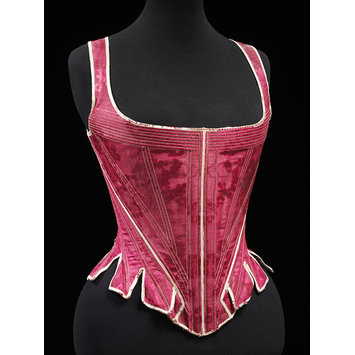
Corsets and corset-like pieces have had a long history with evidence dating back since Minoan times, but when we’re talking about 18th century France, these structured undergarments weren’t always called corsets, but rather they’re referred to as “stays”. The shape of this garment was made so that the torso appeared conical and flat while pushing the bust up and the back erect.
Stays 1770 – 1790 red damask, Courtesy of Victoria & Albert Museum.
Unlike what Hollywood wants you to think about corsets, these structured undergarments weren’t terribly uncomfortable. Women, and sometimes men, of all classes wore them between a chemise or shift (a cotton or linen undershirt that protects the outer clothes from oils and sweat) and their outer clothes. An overwhelming majority of the population were from the working class. People who wore the corset or stays found them useful in supporting their backs from back-breaking work, and they would have been made with more comfortable fabrics such as leather. Wealthier wearers may use more luxurious fabrics, such as decorative silk, but it still would have been relatively comfortable due to clothes being bespoken to fit the wearer and made with natural materials (as synthetic dyes and fabrics weren’t invented yet).

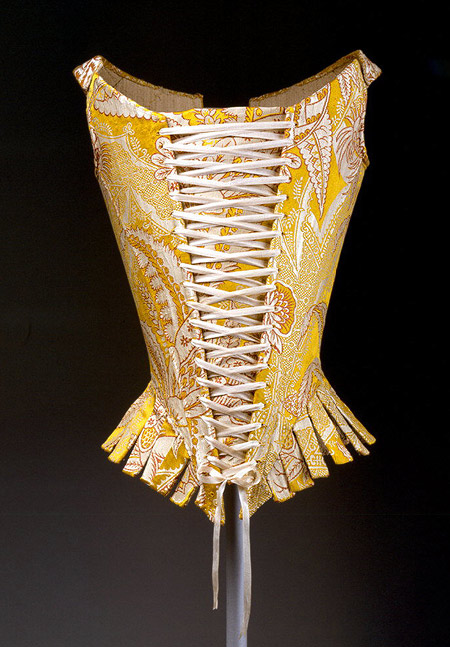
Tight-lacing was heard of, but only practised by the privileged few, and would have been difficult to achieve because metal eyelets were not yet invented in order to pull the lacing tight enough without breaking. Poorer wearers couldn’t afford a servant to help them into clothes and generally corseted themselves from the front with a garment called “jumps” by spiral lacing in enough to fit the body. Jumps were made with less boning thus were softer and more comfortable for everyday wear while providing breast support. The comfort and convenience of this garment proved quite popular among women and the medical community of the time who criticised heavily boned back-lacing corsets for being less healthy.
Courtesy of the Metropolitan Museum
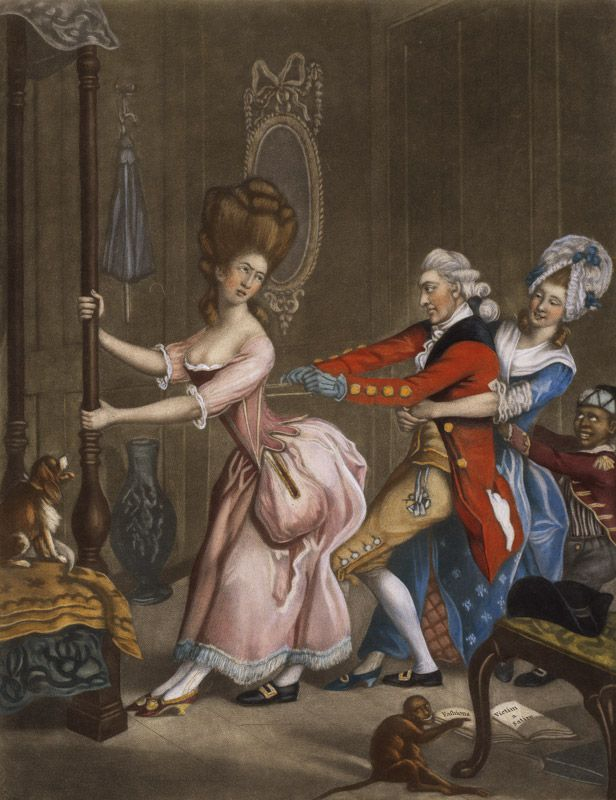
It’s very likely that images depicting an aristocratic woman being tightened in her corset with assistance were satirical bits from men who were making fun of fashionable women or an image of sexual fantasy, however, it is true that the wealthier the person was, the more cumbersome the clothes got. For further reading on 18th century stays, click here.
John Collett
Tight Lacing, or Fashion Before Ease [1777]
© Lewis Walpole Library, Yale University
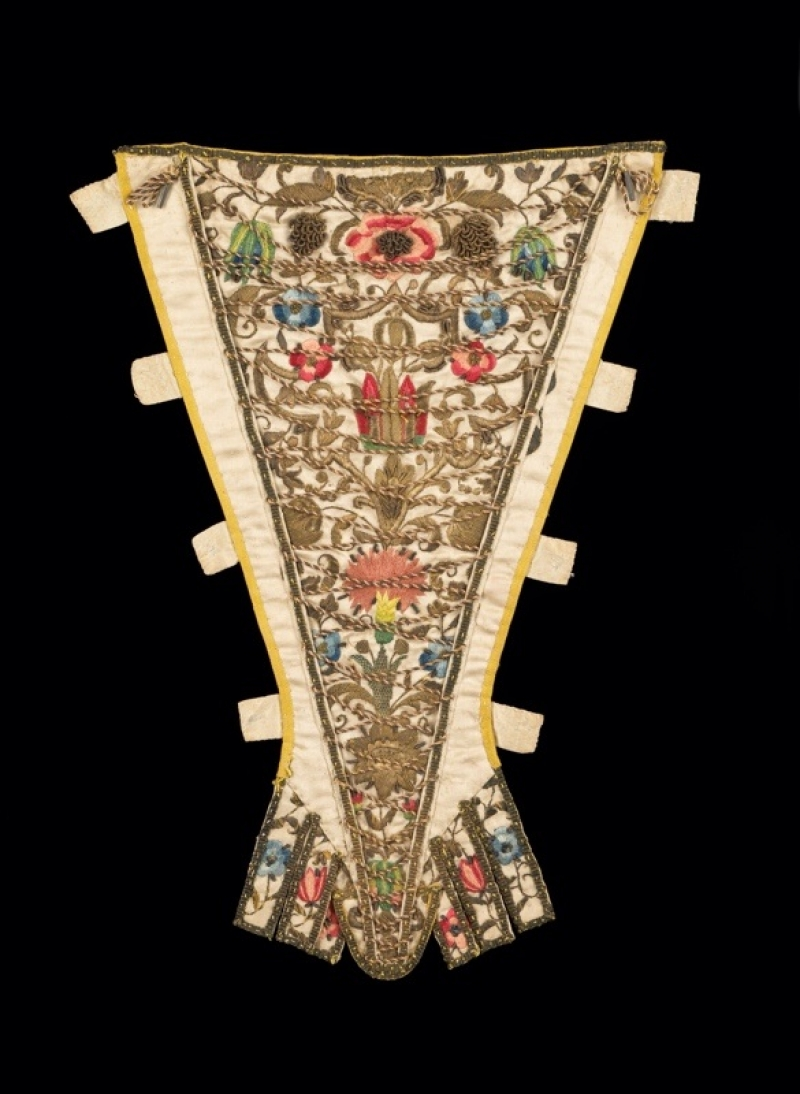
While one of the main points of corsetry is to mold the body in a socially attractive shape, the appearance of an impossibly tiny waist is an illusion of many components, including a stomacher, pannier, bum roll, and many petticoats. A stomacher refers to a decorative triangular panel of stiffened fabric which would have been pinned onto the front of the corset.
An 18th century stomacher. Pins were applied on the side tabs.

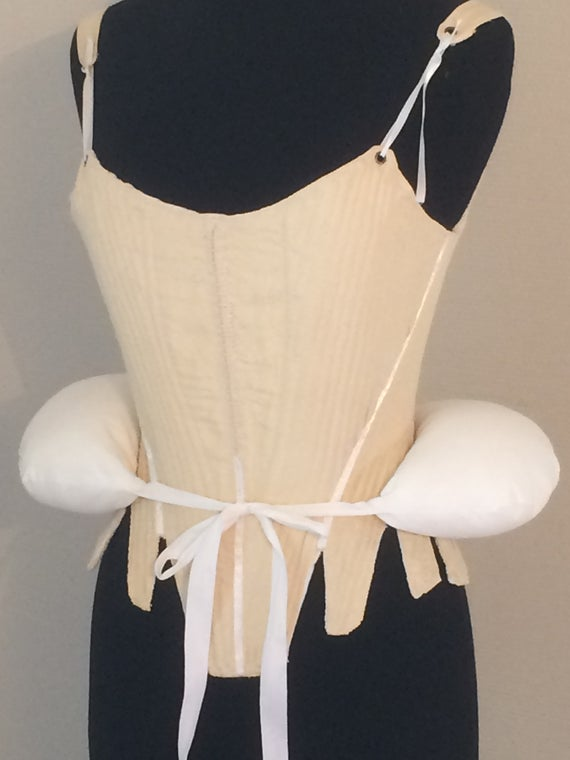
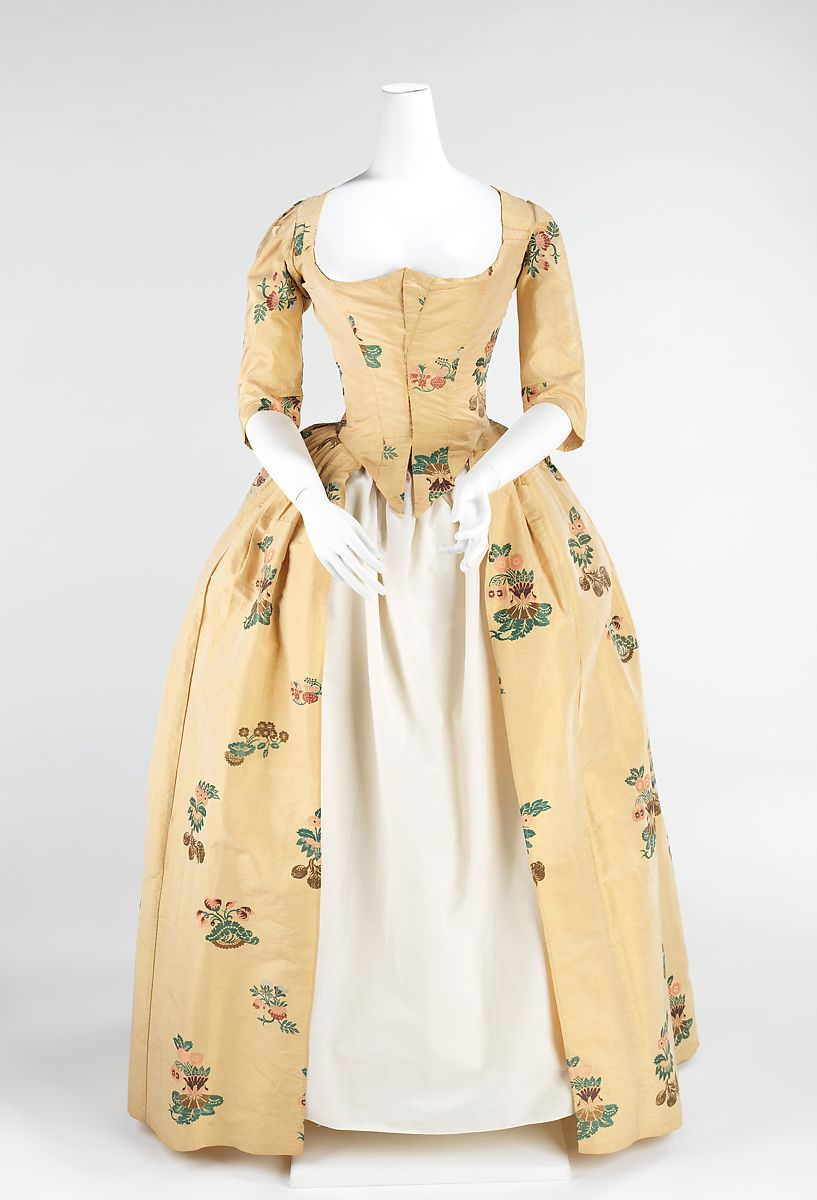
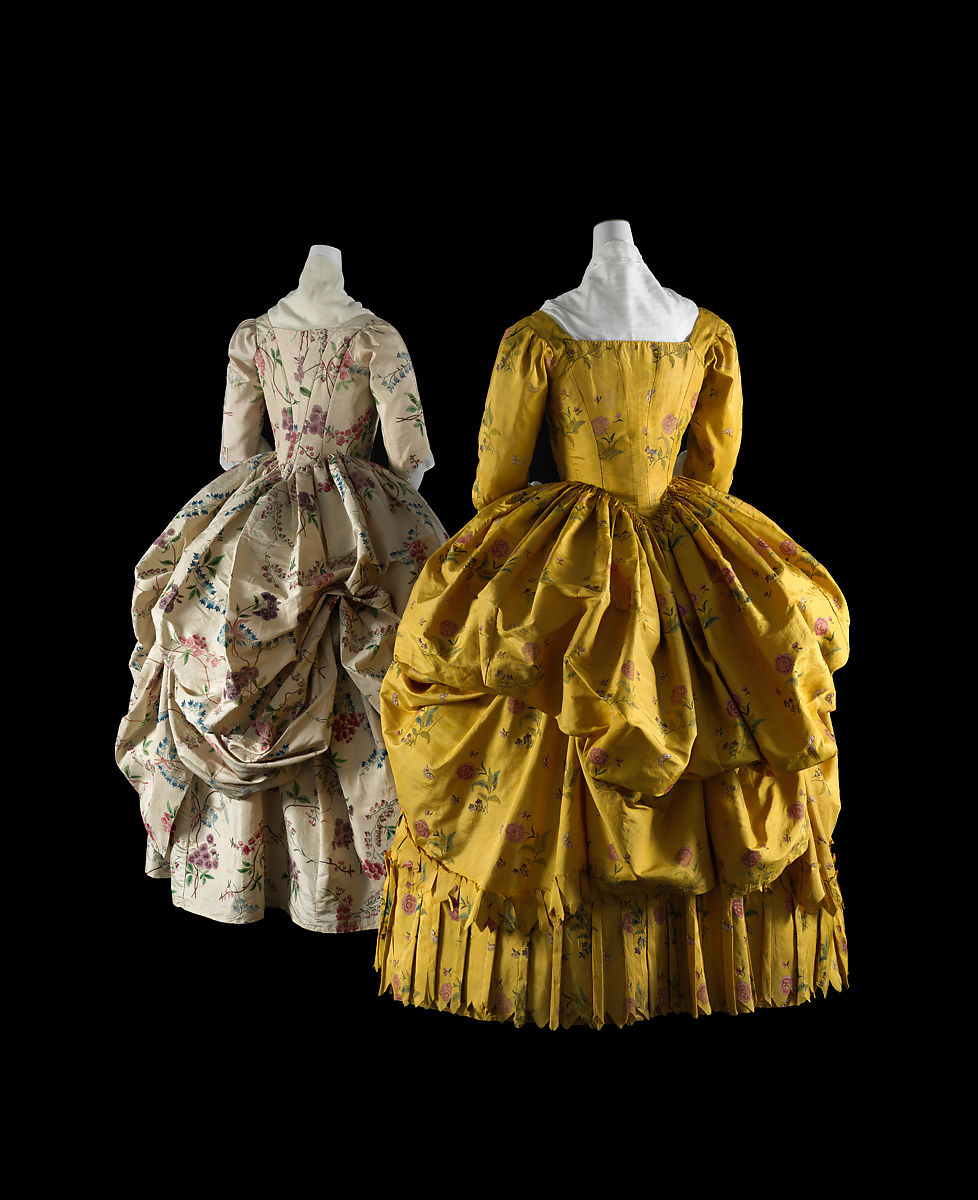
Here what appears to be a travel neck pillow tied around the waist is a bum roll or Farthingale. This contraption has been around as early as the 16th century and helps add volume under the skirts. The bum roll was a casing stuffed with cotton, wool, or other fillings (known as bombast), and was sometimes wired. This was mostly used for robe à l’Anglaise (English dress) and robe à la Polonaise (Polish dress) which featured a softer, rounder silhouette that was more practical for everyday wear.
Robe à l’Anglaise
Robe à la Polonaise
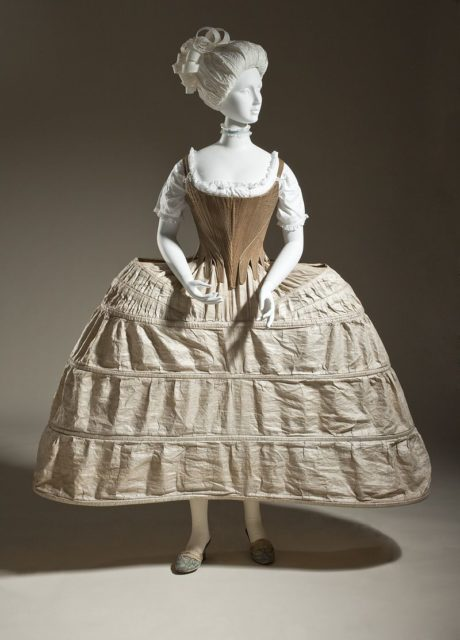
The extreme 18th century silhouette of a wide skirt is credited to the invention of the side hoops or pannier, which is French for basket. In spite of the French popularity, its origin is Spanish and was developed after the popularity of the Spanish farthingale. It’s usually made of wood, cane, metal, or whale-bone, and made to widen the sides of the skirts to create an illusion of wide hips and a tiny waist, but flatten the front.
Hoop petticoat or pannier, England, 1750
Fashion historians argue that this garment was not a novelty and was worn throughout the 18th century, but width and changes in silhouette occurred over time. These were worn among all classes, however, poorer ladies would have worn panniers that were smaller and less cumbersome and/or made of poorer quality. When these were at the height of fashion, the wealthiest of ladies were known to strut the court in panniers as wide as seven feet!
Friend: We’re having a little get-together, dress casual
Me:
Robe à la Française, 1750s
Another extreme look from this time is of course the ostentatiously tall hair-dos. Unlike the use of the panniers, this was a short-lived trend practised by wealthier circles who could afford to sit down a few hours with a hair dresser. The look was achieved through an accoutrement of pomade and powder, wigs (though only worn as add ons as whole wigs were reserved for men), hair rats, and toupés, hair cushions, pins, and a fair amount of teasing. The pomade was made of animal fat that would have been washed and perfumed to remove the meaty scent. It would have been coated onto hair strands and then powdered, usually with a wheat or potato based starch.

A chemical reaction would occur and cause the hair to be easily sculptable. The hair cushion had something of a ski-slope shape. This would have helped support the ornaments on the hair, as well as made the hair look much bigger from the back. If you’d like to learn more about hair and makeup in the 18th century, I highly suggest pausing to watch this video filmed by Bernadette Banner, featuring Lauren Stowell and Abby Cox of The American Duchess. For a more in-depth look into this period’s views on beauty, read The American Duchess Guide to 18th Century Beauty: 40 Projects for Period-Accurate Hairstyles, Makeup and Accessories.

It’s difficult to find evidence that those who wore wide-crinolines and huge hair ever experienced being stuck outside of the party they spent hours getting ready for. I do believe that Novala/Momoko’s assumptions would have been mostly incorrect. For one, this was a short -lived fashion from the mid to late 1770s, mostly practised by the more daring ladies at the court trying to outdo each other, including Queen Marie-Antoinette. Palaces and manors would have had large doors anyway, and the most elegant way of entering a more difficult doorway would involve sweeping into the room sideways.

This period also saw a lot of architectural sprawl. Parklands were a popular destination to see and be seen, and naturally, many social events would have taken place out of doors. If you did an image search of 18th century hair, it is likely that you’ve found satirical images of mostly women with hair of impossible heights. There were rumours of Marie-Antoinette’s hair being as tall as 36 inches, evident in her mother’s letters to her, but generally the hair would have been styled about ¼ to ½ of the length of one’s face.

Hairstyling was more susceptible to trends, but for the most part was not very extreme. In the first half of the 18th century, hair was usually styled closer to the head. A popular hairdo of the time involved tight curls closely pinned to the head, and was referred to as “tête de mouton'' or sheep’s head. Powdering and pomading was primarily part of the French toilette that didn’t really take the rest of Europe by a storm until the 1770s. Once the revolution took hold, gravity defying hair quickly fell out of favor for the “hedgehog” in which the hair was frizzy and wider than it was tall with tails at the base (sort of like an 18th century mullet, if you will).

What do you think about French Rococo fashion? Would you ever try wearing a tall hairdo and wide pannier? If you have worn a history accurate costume, tell us your experiences in the comments below.

Thanks for reading!
Mocha
More sources and further readings:

- Meet Marie-Antoinette’s personal dresser, Rose Bertin
- Watch how 18th century ladies got dressed
- On 18th century panniers and gender
- Part One on Baroque vs Rococo
- Part Two on Prolific Ladies of 19th Century Versailles

Friday, February 5, 2021

Kamikaze Girls and Versailles: Part 2

In the story Shimotsuma Monogatari, renamed Kamikaze Girls in the English translation, the main character Momoko expresses her adoration for 18th century life in Versailles. I often revisit this novella and the movie when I want to get in the lolita spirit, but as a self-proclaimed history buff, I tend to have a hard time getting through the parts where Momoko imagines what life was like. In this series, I’ll do my best to dispel and explain the bits that Momoko, and to that extent, Novala Takemoto got right – and wrong about life in 18th century France.

In the last entry, I’ve deconstructed the first page of Kamikaze Girls and explained the differences between Baroque and Rococo, and its significance in Western art history. In this entry, I will share my research on several prolific ladies of 18th century Versailles.

The second page of Kamikaze Girls talks about Queen Marie Antoinette and how she infamously told her starving subjects, “Let them eat cake!”. According to Smithsonian Magazine and Lucy Worsley’s PBS documentary on the doomed queen (among many publications I’ve poured over), there is no evidence that the unfortunate queen ever said such a thing. 
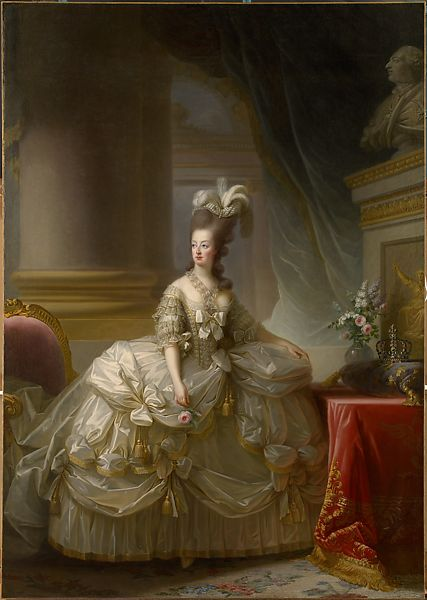

Portrait of Queen Marie-Antoinette by Elizabeth Vigée-Lebrun
There are several possibilities for this phenomenon. The phrase was originally written by French philosopher Jean-Jacques Rousseau in his treatise called, “Confessions”. Historians argue that it is possible that he has turned the expression himself, or that the words were originally said by Princess Maria-Theresa of Spain who married King Louis XIV more than a century before Marie Antoinette set foot in France. It was also alluded to by Marie Antoinette’s aunts. Either way, there is no significant proof that these words were written or said by Marie Antoinette herself, who was quite known for being a tender-hearted queen. It is likely that this phrase was used against her by political enemies who sought to scapegoat her for her spend-thrift habits and pro-royalty stance during political and economical upheaval. Perhaps it was easier to blame bad harvests and high taxes on a foreign woman on the throne than it was to acknowledge deficits on the wars France involved themselves with abroad. 


An interesting note on the phrase, “Let them eat cake”. Apparently this isn’t the original phrase, but rather, “Qu’ils mangent de la brioche” - Let them eat brioche, a type of thick-eggy bread. There is an old French law that required bakeries to sell the more expensive brioche at the same price as the regular bread when supplies of the latter were out. Unfortunately, this law had put the poor peasants at the short end of the stick when bakeries chose to save themselves by selling very short supplies of the regular bread. 
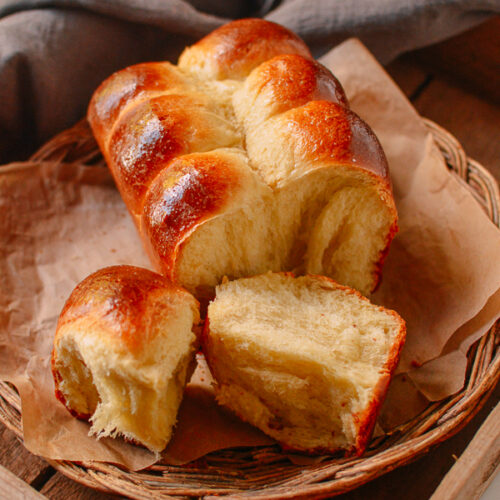

I guess “Let them eat an eggy-bread” doesn’t exactly roll off the tongue well.
Marie Antoinette is an interesting and complicated figure whom I believe deserves more credit and humanity than old history books have said about her. If you’d like to learn more about the doomed queen, check out these links below:

https://tinyurl.com/lworsley-mantoinette
https://tinyurl.com/historymantoinettescandals
https://tinyurl.com/mantoinettesmithsonian
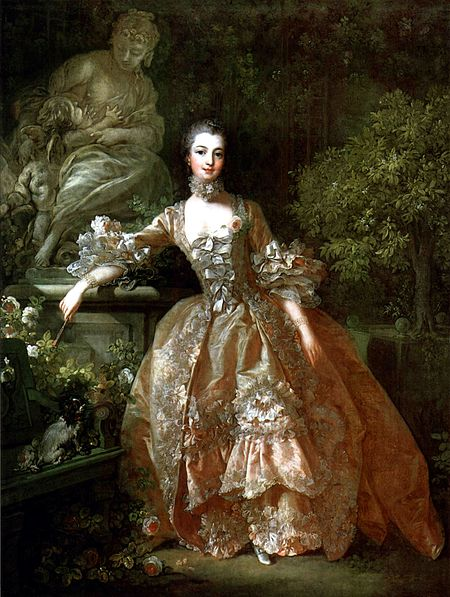

Portrait of Madame de Pompadour by François Boucher
Momoko/Novala goes on to praise Madame de Pompadour for starting life from a low-social standing to working her way up the ranks and becoming King Louis XV’s favorite mistress, thus controlling the throne behind the shadows. Once again, Momoko/Novala are only half right. Born Jeanne-Antoinette Poisson, she was the daughter of François Poisson, a financier, and Madeleine de la Motte. There are rumors that Jeanne was an illegitimate daughter of another financier, either Jean Pâris de Monmartel or Charles François Paul Le Normant de Tournehem. Whoever the real father was, François was exiled for fraud throughout her childhood and Le Normant de Tournehem became her legal guardian in 1725.
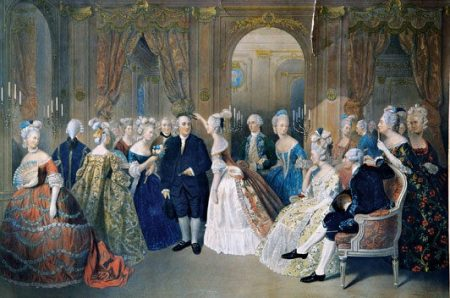

Painting of Benjamin Franklin visiting a salon in France
Jeanne-Antoinette wasn’t exactly from a low social standing as Momoko/Novala claims. Typically, the French particles d’, du, and de in a surname indicates nobility. Perhaps she was not born to nobility, but she was born and raised by a very well-to-do family and was extremely fortunate to have started off her education in an Ursuline convent in Poissy (she would later return home due to poor health, but still received the best education for her time).


Her adopted father brought her up for high society and arranged for her to marry his nephew. She married and moved to Château d’Etiolles, just outside Paris at the age of 19 in 1741. Her marriage gave her access to the salon scene of Paris where she would have been introduced to many great figures of the Enlightenment and where she honed the art of conversation. She’d later cultivate her own private salon at Etiolles for the cultural and intellectual elite of her time. This involvement in the great Parisian salons helped put her foot at the door of Versailles.

In true Capricorn fashion, Jeanne-Antoinette was ambitious and wanted more in life than to be a wife and mother as expected by society. There are accounts that her mother sought out a fortune teller who predicted that Jeanne-Antoinette would win the heart of a king, but I suspect the unfulfilling and rigid gender roles, her involvement in the salons, and perhaps even loss both her children influenced her to cast aside societal expectations and launch a career in the royal court. 


Whether the prophecy was true or not, it was known that she would deliberately ride on horseback during the king’s hunts hoping to catch his attention, and was later invited to a masquerade ball where he had declared his affections for her. Needless to say, it did not take long for her to move into the palace with her own apartments above his, and she was determined to remain his favorite mistress. Jeanne-Antoinette then arranged for a formal separation from her family and the king entitled her Marquise de Pompadour. 


It was not uncommon for royal mistresses to wield influence behind the throne, but Madame de Pompadour was unusual in her ability to control court, domestic, and international affairs, and she was unapologetic about it, much to her peer’s chagrin. She was also quite controversial among Church officials. Madame de Pompadour was a strong supporter of creation of the French Encyclopedia which the Catholic Church worked to have it banned. With Voltaire being one of her closest allies, Madame de Pompadour challenged the legitimacy of the current world order and promoted scientific thought. This assertion of control eventually became her Achilles' heel when she convinced the king to end their alliance with Prussia and to support Austria instead, and thus, she was indirectly blamed for France’s humiliating defeat during the Seven Years War. Due to the king’s declining popularity and her own poor health (she had previously suffered many miscarriages and eventually died of pneumonia), Madame de Pompadour wisely lessened her influence in political affairs.


What really made Madame de Pompadour a Rococo icon is her influence in the arts. She was a notorious patron of commercial art. When she acquired her many lodges and châteaus, she’d decorate them with works made by artists like Charles-André van Loo and Boucher. Everyday objects were made with luxury in mind. The effect was so that she and the king could enjoy their privacy together among beautiful surroundings. She was especially known for her love of porcelain and was an important promoter of French manufacturing, transforming the Sèvres porcelain and Gobelin tapestry fortunes.
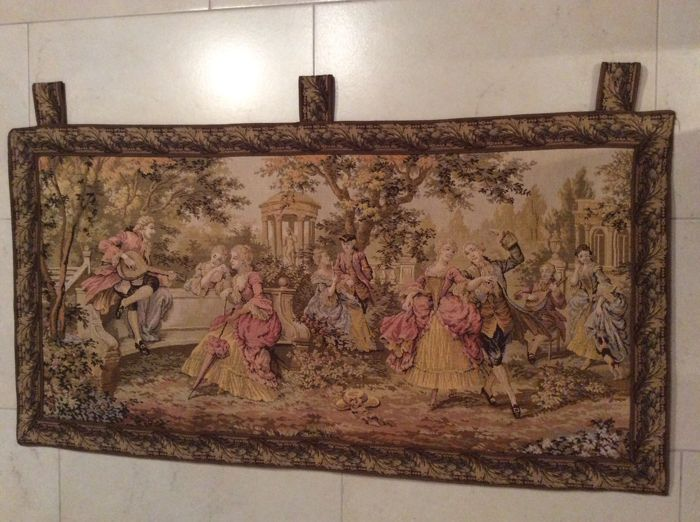

Example of an 18th century Gobelin tapestry
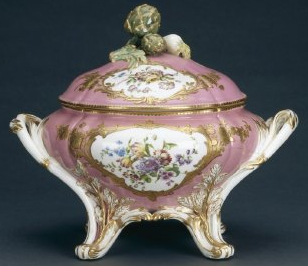
A piece of 18th century Sevrès decorative porcelain
On the French Salons of the 18th century
https://tinyurl.com/18thcenturysalons


More on Madame de Pompadour

https://tinyurl.com/ukgallery-mdmdupompadour
https://tinyurl.com/francetoday-mdmdepomadour

Now, the person who was certainly of low-standing and worked her way up behind the king’s throne is Madame du Barry, the last royal mistress of King Louis XV. There are many conflicting and biased statements on the life of Madame du Barry, but I will do my best to tell her story. Born Jeanne Bécu, Madame du Barry was also an illegitimate child, although born into the servant class; her mother was a seamstress  and her father was (possibly) a local friar.
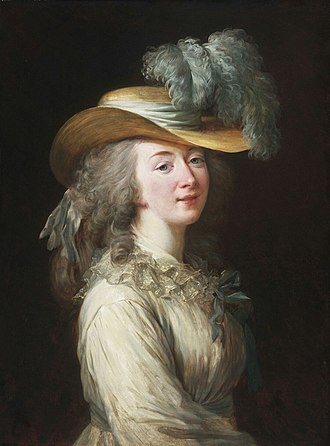

Madame du Barry by Elizabeth Vigée-Lebrun

Similarly to Madame de Pompadour, Jeanne was afforded the luxury of a convent education through some strange luck - her mother was a cook for Francesca, an infamous Italian courtesan and mistress of a Monsieur Billiard-Dumonceaux (he was possibly the father of Jeanne’s half-brother). The mistress was very fond of the little girl and lavished her with gifts while Dumonceaux funded her education.

When Jeanne was a teenager, her mother eventually married; without Dumonceaux’s financial support she left the convent, and they had moved out of the courtesan’s home. Her mother’s new husband had less income and so in order to support herself, she held a number of odd-jobs including selling trinkets in the streets of Paris. Allegedly, during her teenage years, she was unable to hold jobs very long for her beauty had often attracted meddling affairs. With little financial prospects and no adult protections, Jeanne eventually resorted to entertaining at a casino-brothel. Her beauty caught the attention of Jean-Baptiste du Barry, a high class pimp/procurer who instilled her as his mistress and brought her up to become a courtesan for the wealthy elite. During her stint with le Roué (the vile), as compte du Barry was often known as, she caught the attention of the king while running an errand to Versailles (for she had many lovers and clients within the king’s closest circles). Le Roué noticed this and planned to use her to gain favours from the king. Her presence at Versailles ruffled feathers as she was mingling with people far above her station -  it is protocol for official court mistresses to be someone of nobility. This was remedied by an arranged (false) marriage between Jeanne and the compte’s brother.

Unlike Madame de Pompadour, Madame du Barry was not very politically inclined nor ambitious, preferring to use her status as the king’s new favorite to live in the lap of luxury as she had in her childhood. Her costly love of decorating and fashion, as well as her status made many enemies among the court. Unfortunately for Madame du Barry, the king was getting on in years, and as soon as he died of smallpox, she was quickly banned from ever returning to court.

More on Madame du Barry:
http://thisisversaillesmadame.blogspot.com/2013/04/jeanne-becu-madame-du-barry.html
https://tinyurl.com/digitallibraryduberry

Let us know what you think about these ladies in the comments below. Could you endure life as a royal mistress?

Thanks for reading!

Mocha

PS: If you missed Part 1 of this series, please go check it out, and Part 3 is up as well!

Friday, January 8, 2021

Kamikaze Girls and Versailles: Part 1

In the story Shimotsuma Monogatari, or Kamikaze Girls in the English translation, the main character Momoko expresses her adoration for 18th century life in Versailles. I often revisit this novella and the movie when I want to get in the lolita spirit, but as a self-proclaimed history buff, I tend to have a hard time getting through the parts where Momoko imagines what life was like. In this series, I’ll do my best to dispel and explain the bits that Momoko, and to that extent, Novala Takemoto got right – and wrong about life in 18th century France.

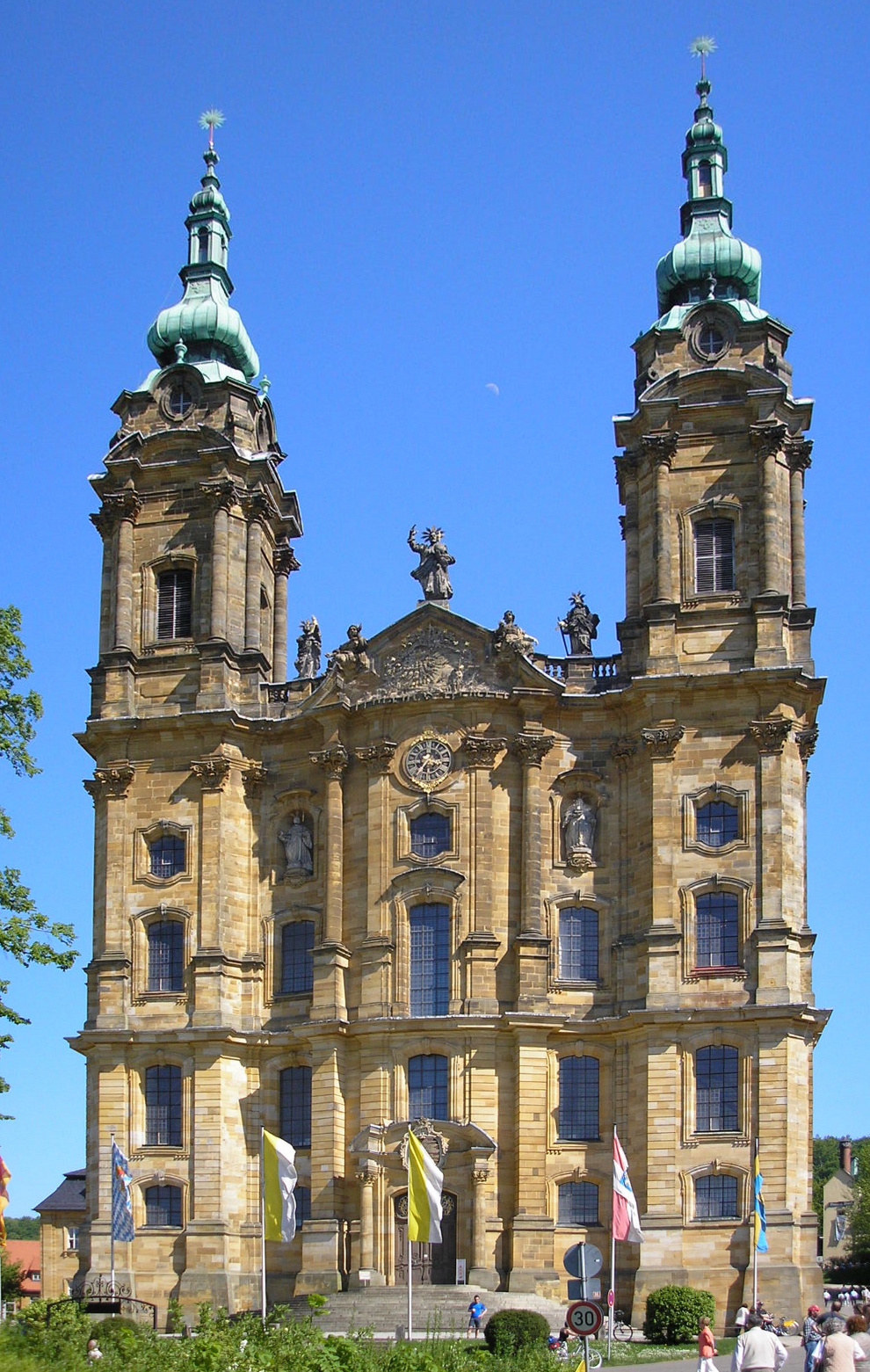
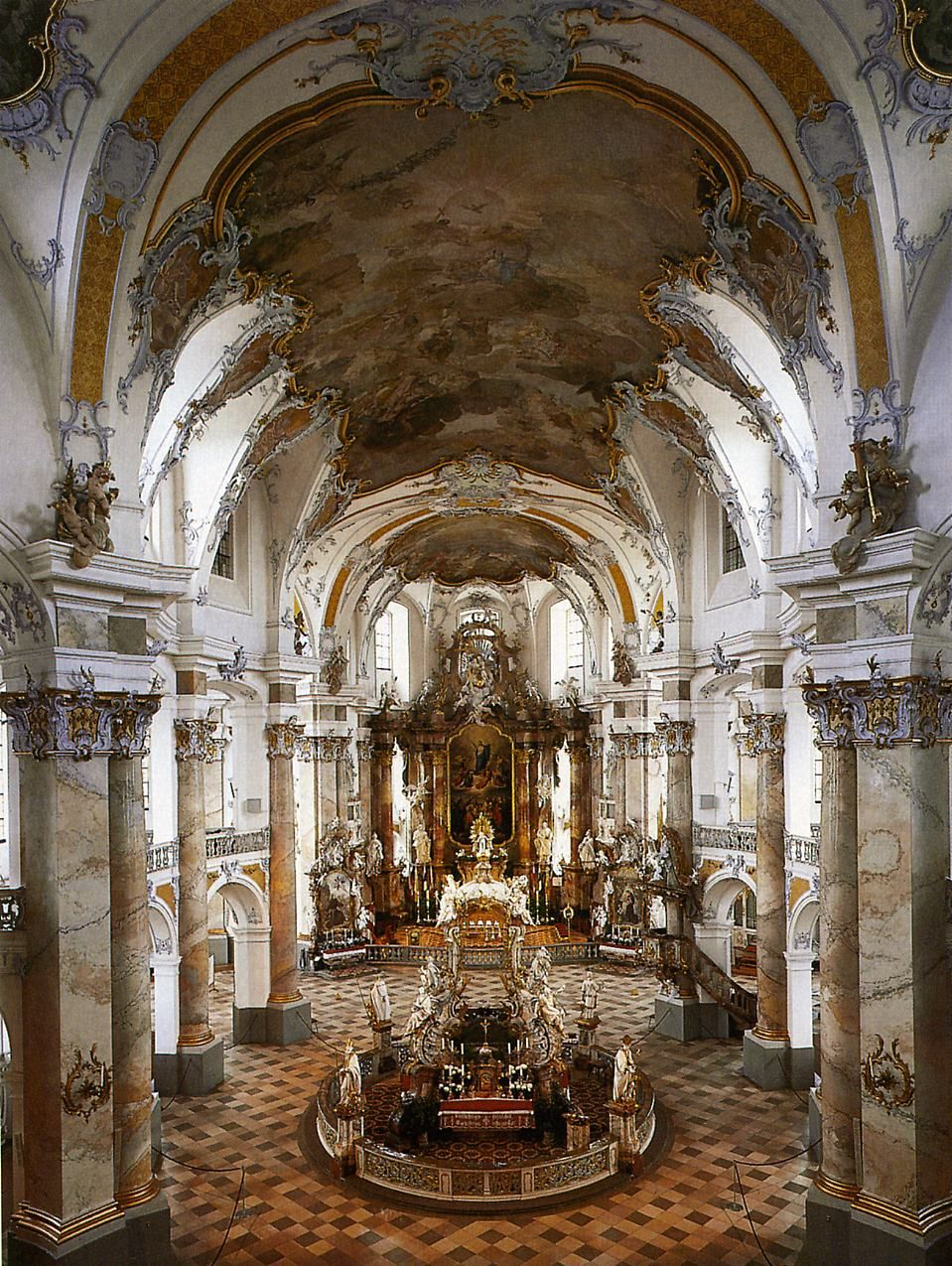
Novala prefaces the novel with a brief explanation of the Rococo and Baroque periods. He states that Rococo refers to an era of elegant and sumptuous art that dominated France in the 18th century. While it did follow the Baroque period, the development of Rococo aesthetics wasn’t limited to France. According to Britannica, the Rococo art movement began in Paris and like a lot of ideas, it took foothold in other countries such as Germany, Austria, and Italy. A prime example is the Church of Vierzehnheiligen in Bad Staffelstein, Germany which still stands today.

Church of Vierzehnheiligen

Novala quickly states that the Baroque period lasted between “1715 to 1770 or so and possessed a stateliness and majesty based on Catholic beliefs”. The description is fairly accurate, but timelines are off. In fact, when it comes to social, political, and artistic movements, it can be quite difficult to put an exact date, so I think it’s better to recognize these things in a general time frame and its characteristics.

What is Baroque?

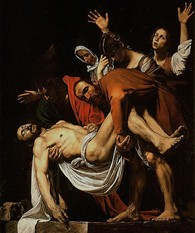
The Baroque art movement has its roots in the previous century, from Mannerism, an art style originated from 16th century Italy that was a response to the Renaissance movement. While Renaissance art focused on realism, Mannerism is characterized by exaggerated or elongated proportions, and unrealistic poses and perspectives. Baroque style essentially took these ideas from approximately the 1600s and ran with it for roughly 150 years (remember – ideas didn’t move as quickly as they do now). It’s a style defined by grandeur and expressiveness, excessive ornamentation, deep colors, contrast, and movement. Defining artists from the period include Caravaggio, Rubens, Diego Velazquez, Rembrandt, Vermeer, Gian Loreanzo Bernini, Giovanni Batissta Gauli, and Francisco de Zurbaran.
Example of a Baroque painting:
Entombment of Christ (1601-3) - Caravaggio
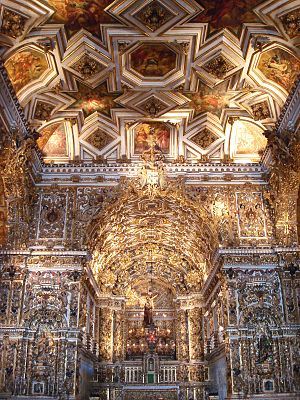
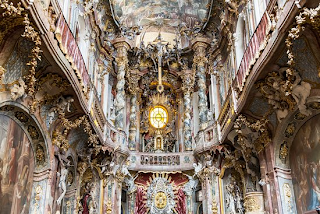
Baroque’s theatrical ability to highly stimulate the senses and inspire awe was appealing to those who held power in government and in the Catholic Church which was competing for membership with the austere Protestant Reformation. Many Catholic churches in this period commissioned Baroque practitioners to design and build religious buildings and art as a form of propaganda, and their endeavors were quite successful. Step into any Baroque styled cathedral and one can feel emotionally and physically dwarfed by the sheer size and dramatic use of light and gilding with the belief that they are in the grand presence of an all-knowing God and His Heavenly court.
The São Francisco Church and Convent of Salvador, Brazil
Asamkirche - Munich, Germany
Novala/Momoko describes Baroque as masculine, somber, solemn, serious, and boring, but this wasn’t always the case. As its popularity spread across the world (as Baroque architecture can be found in colonized countries), different countries developed their own visions of the Baroque aesthetic. One can certainly use those descriptors for early Baroque art and basilicas in Italy, but in places where the Protestant faith was more dominant, such as in England and the Netherlands, the Baroque style was comparatively minimalist and refined. 

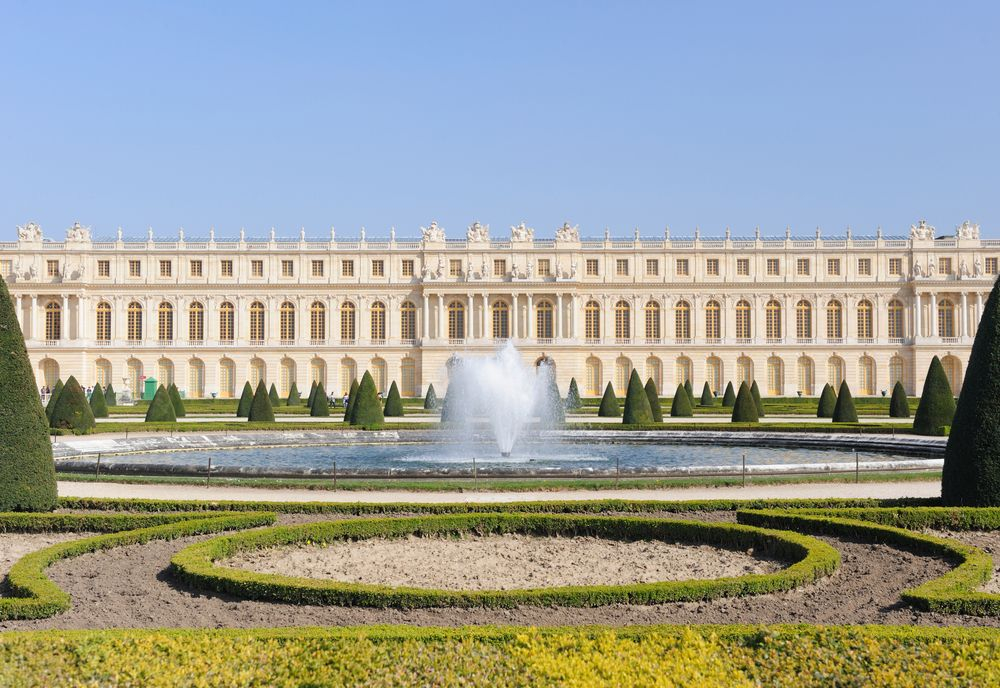
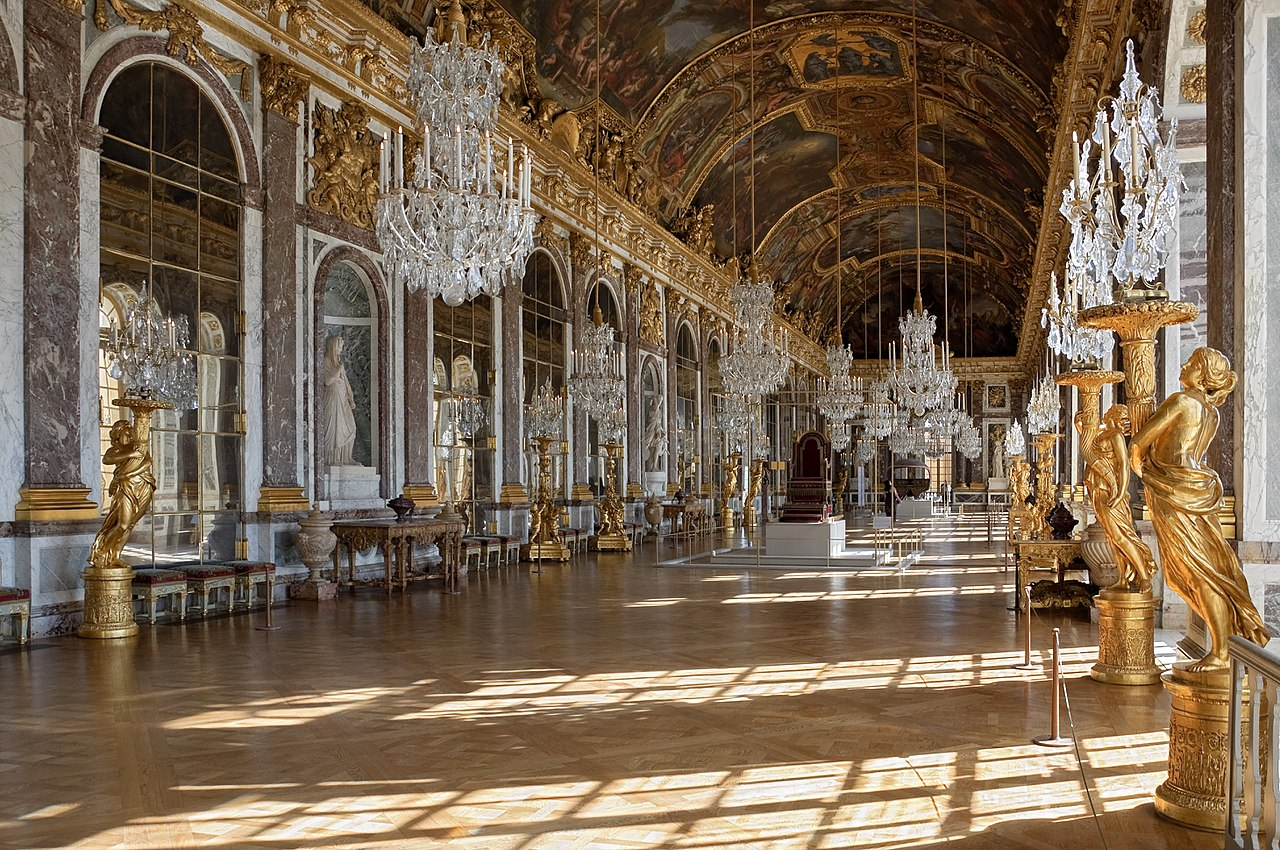
Although France was primarily Roman Catholic, French Baroque was respectfully its own aesthetic and is referred to by the French as Classicism. This look emphasizes geometry and precision, as seen in the Palace of Versailles.
Palace of Versailles and gallery

The Palace of Versailles (which originally began as a “humble” hunting lodge) was intentionally built in the Baroque style between 1631 to 1634. King Louis XIV may not have expanded the chateau in the oppressively dramatic Italian or Spanish manner, but it still managed to convey his style of absolute rule so well that it draws and awes 10 million visitors a year!
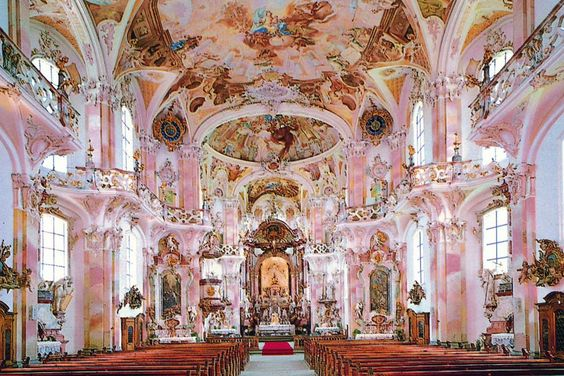
What is Rococo?

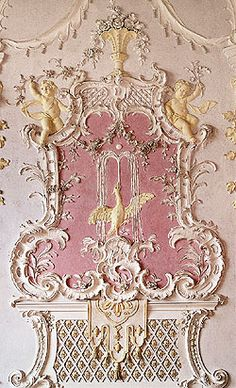
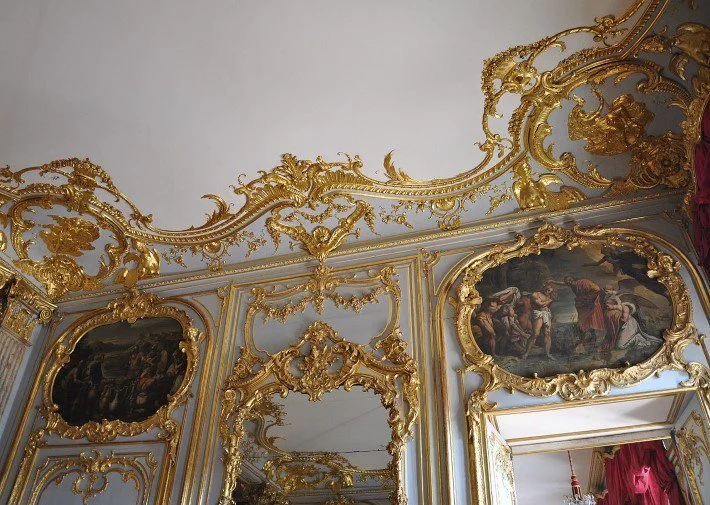
Novala says that the term Rococo derived from the French word rocaille. This is true, but it doesn’t mean “misshapen pebble” - just pebbles. It refers to the stones and shells used to decorate the interiors of grottos and caves. Rococo refers to the type of decorative art popularized in the 18th century featuring curves, and shell-like, rock-like, and scroll motifs. 
Example of Rococo scrollwork
While Rococo arrived after the Baroque period, it has a much longer history than Novala/Momoko assumes, and there are many overlaps. Signs of Rococo art and design appeared as early as 1715 and its popularity lasted up into the late-1780s. Rococo is often referred to as Late-Baroque.

Once again, Novala gives the reader a slapdash explanation as to why Rococo came after the Baroque style, though understandingly since Kamikaze Girls isn’t a Western art history book. To quote: “...without giving it any deep thought, whatsoever, started using curves for no other reason than, hey, round is cuter than square! “The reality was that Rococo came about during the Age of Enlightenment where its primary focus was on secular, humanistic, and natural matters, instead of religious ones.

During this period, improvements in technology, education systems, and rise of global trade gave the aristocracy and a growing middle class the ability to question theological dogmas and embrace science and the natural world. The artistic sensibilities embraced by this newly wealthy class and the aristocracy are reflected in their homes as they commissioned artists and designers who utilized pastels, curves, asymmetry, scattered light, feelings of playfulness, mythology, and non-religious imagery, including symbols of beauty and courtship.
Queen of the Lake - Birnau, Germany
Rohan Palace - Strasbourg, France
There’s a brief mention of the artists Antoine Watteau and François Boucher, who were prolific during this era. Novala/Momoko expresses their disappointment that these artists were treated with more disdain as artists than they deserved among artistic and academic circles, which bears some truth. These artists in particular had commercial success, especially in the decorative arts. Their works, however, typically evoke mood rather than tell a story, and although the French Revolution was brewing in their time, they were not always making art that challenged or reflected the greater socio-political climate. For context, when King Louis XIV died, the French court largely left Versailles and returned to their homes in Paris (and understandingly so. The paranoid king forced many aristocrats to move to the hinterlands of Versailles while the palace was still being built). This return to the comforts of city life allowed aristocrats to pursue intimate activities as reflected in the art they purchased.

Novala/Momoko quotes the French philosopher and writer Denis Diderot who describes Boucher’s paintings as containing only “elegance, cloying sweetness, fantastic gallantry, facility, change, brilliance, made-up skin tones, and lewdness”. His critique on Boucher’s works is infamously contradictory, but it’s not without reason. For one, their works are inspired by the theatricality of commedia dell’arte, a form of Italian theatre based on colorful characters and improvisation which was quite popular during this period. Secondly, Boucher and Watteau’s financial successes are owed to their wealthy patrons. There’s nothing new about artists making their patron’s portraits look better than they do in person. Watteau was especially famous for embracing this form of theatre into his paintings, featuring playful subjects in fashionable attire of his time in a park-like setting. This anachronistic blend of nature and fantasy came to be known as fêtes galantes.


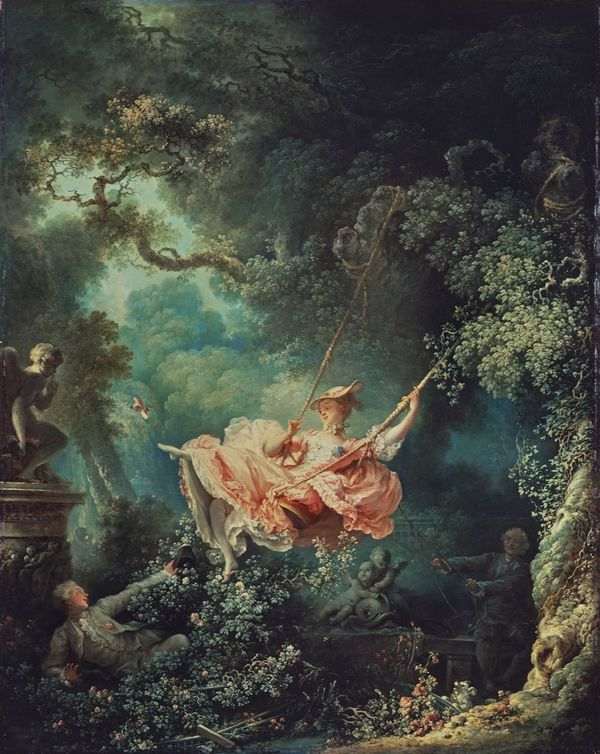
Perhaps the most famous piece of Rococo art: The Swing by Jean-Honoré Fragonard
Perhaps these artists didn’t create world changing works, but from a modern day perspective, we can thank artists like them for providing us invaluable examples of fashion from the period and a glimpse of what life might have been like for the patrons of the time.

If you’re interested in learning more about these artists, I highly suggest following these links to The Met’s archives:
What do you think about Baroque and Rococo art? Do you love it? Do you hate it? What would you rate it?

Thanks for reading!
Mocha

PS: Part 2 is up!